
When you or a family member develops an eye problem, it is normal to have many questions about symptoms, treatment options, costs, and where to go in Lahore. A clear understanding helps you take the right steps at the right time instead of delaying important care.
This FAQ-style guide answers the most common questions patients ask about eye treatment in Lahore, from simple eye checkups to cataract surgery, cornea transplant, and free or low-cost charity care.
1. When should I visit an eye specialist in Lahore?
You should not wait until your vision becomes very poor before seeing an eye specialist. Book an appointment if you notice:
-
Blurred or double vision that does not improve with rest
-
Difficulty seeing at night or strong glare around lights
-
Frequent headaches or eye strain while reading or using screens
-
Redness, pain, or sudden changes in vision
-
A family history of serious eye disease such as glaucoma
Adults should have a detailed eye checkup every 1–2 years, and more often if they have diabetes, high blood pressure, or previous eye problems.
2. What happens during a detailed eye checkup?
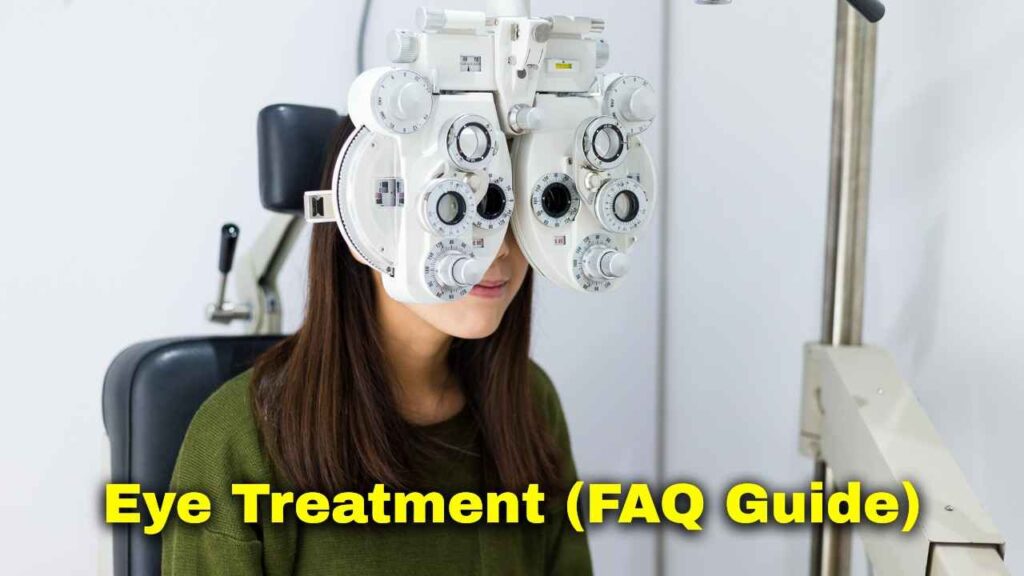
A detailed eye checkup in an eye hospital or eye clinic in Lahore is more than a quick vision test. It usually includes:
-
Checking how clearly you see at different distances
-
Measuring eye pressure to screen for glaucoma
-
Examining the front of the eye, including cornea and lens
-
Dilating the pupils (in many cases) to see the retina and optic nerve
-
Assessing whether you need new glasses or a change in prescription
Depending on your condition, the eye specialist may advise extra tests such as scans, fields, or corneal assessments.
3. Which eye problems are most common in Lahore and Pakistan?
The most commonly seen issues in eye clinics and hospitals include:
-
Refractive errors (needing glasses for distance or reading)
-
Cataract, especially in older adults
-
Glaucoma, which can cause silent damage to the optic nerve
-
Corneal infections, scars, or injuries
-
Allergic eye disease and dry eye due to dust, pollution, and screen use
Early diagnosis and proper treatment from a qualified ophthalmologist help prevent long-term damage.
4. How is cataract treated, and when do I need cataract surgery in Lahore?
Cataract is treated with surgery when the cloudy lens starts to interfere with daily activities such as reading, driving, or recognizing faces. Eye drops cannot remove a cataract; surgery is the only permanent solution.
In a standard cataract surgery:
-
The cloudy natural lens is removed through a small opening.
-
A clear artificial lens (intraocular lens) is implanted in its place.
-
Most patients go home the same day and feel improvement in days to weeks.
Your eye specialist in Lahore will guide you on timing, lens options, and cost based on your specific case.
5. What is a cornea transplant, and who needs it?
A cornea transplant is a surgery where a damaged, scarred, or diseased cornea is replaced with a healthy donor cornea. It is usually recommended when:
-
The cornea has become cloudy or irregular, causing severe blurred vision.
-
Injury or infection has left permanent scarring.
-
Other treatments and glasses can no longer improve sight.
Cornea transplant is a specialized procedure done at selected eye hospitals in Lahore with trained corneal surgeons and access to eye banks.
6. Are there free or low-cost eye treatment options in Lahore?
Yes, many patients can receive free or low-cost eye treatment through charity eye hospitals and welfare programs in Lahore. These hospitals:
-
Use donations, zakat, and sadaqah to support those who cannot afford full fees.
-
Provide subsidized or fully funded cataract surgeries and, in some cases, cornea transplants.
-
Offer free or low-cost detailed eye checkups and medicines for eligible patients.
You can ask the hospital’s welfare desk or social worker about financial assistance options during your visit.
7. How does a charity eye hospital in Lahore work?
A charity eye hospital combines professional medical care with a welfare model. Instead of denying treatment to patients who cannot pay, it:
-
Assesses each patient’s financial condition.
-
Categorizes them as full‑paying, partially supported, or fully supported.
-
Uses donations and zakat funds to cover treatment costs for deserving patients.
This approach allows the hospital to maintain quality services while making advanced eye care accessible to low‑income families.
8. Can I use zakat or sadaqah to support eye treatment?
Yes, many people choose to give their zakat and sadaqah to support eye surgeries and treatment for poor patients. When used for eye care, these funds can:
-
Sponsor cataract or cornea surgeries for eligible patients.
-
Pay for tests, medicines, and follow-up visits.
-
Support free eye camps and screening programs.
If you want your contribution treated as zakat, clearly inform the hospital or trust so they allocate it correctly according to Islamic guidelines.
9. How do I choose the best eye hospital in Lahore for my needs?
When comparing eye hospitals and clinics, pay attention to:
-
Qualifications and experience of the eye specialists and surgeons
-
Range of services (checkups, cataract, cornea, glaucoma, emergencies)
-
Availability of modern equipment and clean operation theatres
-
Patient feedback and community reputation
-
Clear information on costs, welfare support, and follow-up care
If you also need other services like dental care, physiotherapy, gynecology, or a family physician, a full medical complex can be more convenient.
10. What can I do at home to protect my eyes?
Along with regular visits to an eye specialist, simple daily habits can protect your vision:
-
Follow the 20‑20‑20 rule during screen use.
-
Wear sunglasses outdoors to protect from dust and UV.
-
Avoid rubbing your eyes, especially with unwashed hands.
-
Eat a balanced diet rich in fruits, vegetables, and healthy fats.
-
Manage diabetes, blood pressure, and cholesterol as advised.
If you notice pain, sudden vision loss, or severe redness, do not rely on home remedies seek urgent care at an eye hospital.
Final Thoughts: Get Answers, Then Take Action
Understanding your options makes it easier to take the first step. Whether you need a routine eye checkup, cataract surgery, cornea transplant, or free eye treatment in Lahore, asking the right questions helps you find safe, affordable care.
Do not wait for symptoms to become severe. Book a detailed eye checkup, discuss your concerns openly with a qualified eye specialist, and ask about welfare support if needed your eyesight is worth protecting today.