
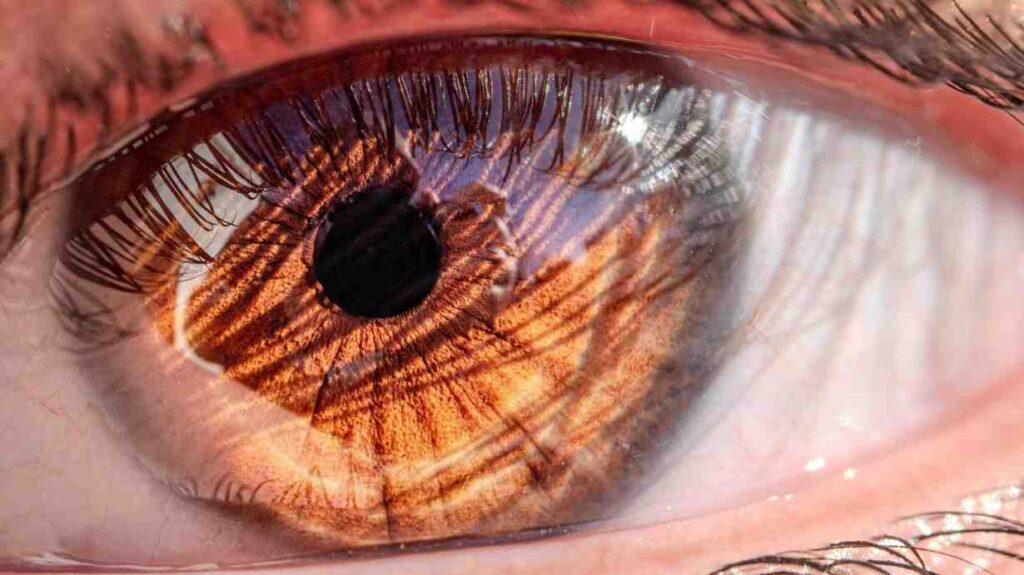
Across Pakistan, thousands of people live in darkness because of corneal blindness, even though cornea transplant can restore their sight. The biggest challenge is not medical skill, but the shortage of donated corneas and low public awareness about eye donation. This guide explains what eye donation is, how cornea transplants work, the situation in Pakistan and Lahore, and how you can help by pledging to donate or supporting charity eye hospitals.
What Is Eye Donation?
Eye donation is the act of donating your eyes (specifically the corneas) after death so they can be used to restore sight in someone with corneal blindness. Only the clear front part of the eye (the cornea) is transplanted; it does not affect the donor’s appearance in a way that prevents normal funeral practices.
Key facts:
-
One donor can help two separate patients by providing two corneas.
-
Eye donation is only done after natural death and with proper consent and documentation.
-
Corneas are recovered, preserved, and tested by an authorized eye bank before transplant.
Eye donation is considered a continuous charity because it restores a basic sense that affects every part of life.
What Is Cornea Transplant and Who Needs It?
A cornea transplant (keratoplasty) is a surgery in which a damaged or diseased cornea is replaced with a healthy donor cornea from an eye bank. It is recommended when vision cannot be improved with glasses, medicines, or simpler surgeries.
Patients who may need a cornea transplant include those with:
-
Corneal scars from infections, injuries, or ulcers.
-
Advanced keratoconus or other conditions that distort the cornea.
-
Hereditary or degenerative corneal diseases.
When successful, cornea transplant can restore useful vision and dramatically improve independence and quality of life.
Cornea Donation in Pakistan – Current Situation
Pakistan faces a serious shortage of locally donated corneas, even though the need for cornea transplant continues to grow each year. Studies show that while many people have heard of eye donation, detailed knowledge about how it works and where to register is still low.
Some key points:
-
Estimates suggest hundreds of thousands of people in Pakistan are waiting for corneal transplants.
-
Because local donations are very limited, some programs rely on imported corneas when possible.
-
Lack of awareness, myths, and absence of a strong donation culture are major barriers.
This makes public education, religious clarification, and hospital‑based awareness campaigns extremely important.
Role of Eye Banks and Charity Eye Hospitals
Eye banks and charity hospitals form the backbone of cornea donation and transplant services.
Eye banks in Pakistan:
-
Collect, store, and preserve donor corneas according to strict medical standards.
-
Screen tissues for safety and quality before they are used in surgery.
-
Work closely with eye hospitals to match available corneas to patients on waiting lists.
Charity eye hospitals then:
-
Perform cornea transplant surgeries, often at subsidized or no cost for poor patients.
-
Use donations, zakat, and sadaqah to cover operation theatre, medicines, and follow‑up care.
-
Run outreach and awareness efforts so people understand the importance of pledging their corneas.
Supporting these institutions is one of the most direct ways to fight avoidable blindness in Pakistan.
Common Myths and Facts About Eye Donation
Misconceptions stop many people from registering as eye donors, even when they like the idea of helping others. Understanding the facts can remove fear and confusion.
Myth vs. fact:
-
Myth: Eye donation disfigures the face and affects funeral practices.
Fact: Corneas are removed carefully, and the donor’s appearance is maintained so normal funeral rites can proceed. -
Myth: Only young, perfectly healthy people can donate.
Fact: Many people, including seniors, can donate their corneas as long as they meet medical criteria at the time of death. -
Myth: If I am a registered donor, doctors will not try to save my life.
Fact: Medical teams always focus on saving the patient; donation is considered only after death is confirmed.
Clearing these myths is essential to increase willingness to donate.
Is Eye Donation Allowed in Islam?
Many Muslims worry whether eye or organ donation is religiously permissible. In Pakistan and other Muslim‑majority countries, scholars and councils have generally supported donation as a form of ongoing charity when done ethically and with consent.
While specific opinions can vary, key points often mentioned include:
-
Saving or restoring someone’s sight is a major act of kindness.
-
Donation must be voluntary and should not involve buying or selling organs.
-
Local religious guidance can help families feel confident about their decision.
For personal reassurance, donors and families are encouraged to consult trusted local scholars and hospital ethics committees.
How to Pledge Your Eyes for Donation
If you want to register as an eye donor in Pakistan, the process is usually simple. While exact steps vary by organization, they often include:
-
Filling out a donor pledge or registration form with an eye bank or hospital.
-
Informing close family members about your wish so they can cooperate at the time of death.
-
Keeping donor cards or registration details accessible.
Some organizations provide online forms or printable pledge cards that you can carry with your ID.
How Families Can Support Eye Donation at the Time of Death
The final decision often rests with the family, because medical teams need quick permission after a person passes away. Families can help by:
-
Respecting the donor’s registered wish to give their eyes.
-
Informing the hospital or eye bank immediately so corneas can be collected in time.
-
Asking the hospital social worker or donation coordinator to guide them through the process.
A single “yes” from the family can restore sight for two people within days.
Other Ways to Help If You Cannot Donate
Even if you are unable to donate your own eyes for medical reasons, you can still contribute to cornea transplant and eye donation programs in Pakistan.
You can:
-
Support charity eye hospitals financially to sponsor cornea transplants for poor patients.
-
Fund awareness campaigns, seminars, and materials that educate people about eye donation.
-
Share verified information on social media to counter myths and encourage pledging.
-
Volunteer with organizations that work on eye health and donation awareness.
Every step big or small helps build a culture where donating sight becomes normal and respected.
Final Thoughts: Give the Gift of Sight
Eye donation and cornea transplant transform lives in a way few other acts can. For someone living in darkness, receiving a donated cornea can mean seeing family faces, reading again, walking independently, and returning to work.
By pledging your eyes, discussing your decision with your family, and supporting charity eye hospitals and eye banks in Pakistan, you can help close the gap between the huge need for corneas and the very limited supply. One decision today can become a lasting gift of sight for years to come.