
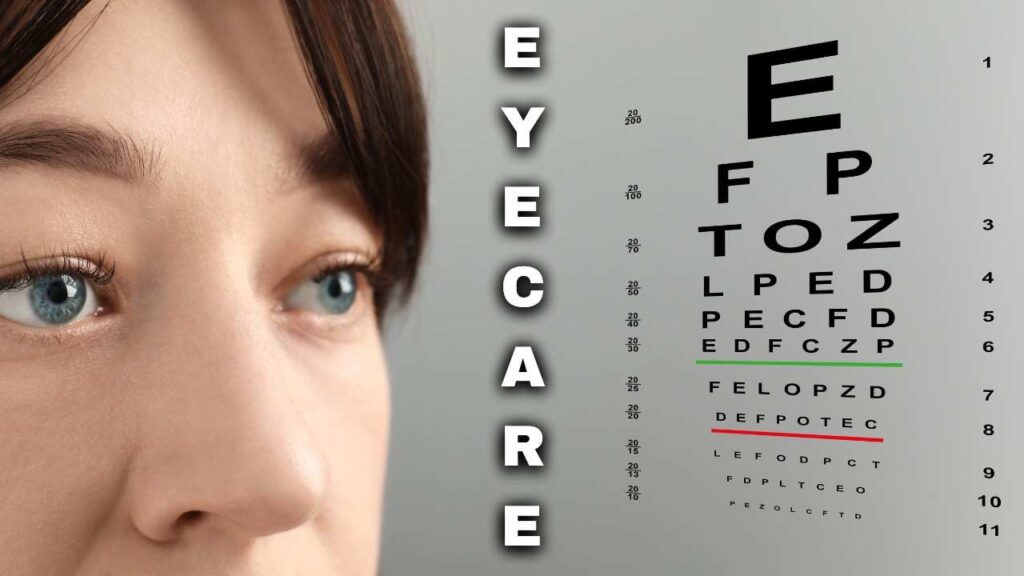
In cities like Lahore, people routinely check their blood pressure, sugar levels, and heart health, but eye checkups are often forgotten until vision becomes very weak. Studies from Punjab show that while many people have heard of cataracts, awareness about glaucoma, diabetic eye disease, and proper eye care is still low.
This blog explains why eye care awareness is so important in Lahore and Pakistan, which eye problems people commonly misunderstand, and how simple steps can protect your sight for life.
How Aware Is the Public About Eye Health?
Research from major cities in Punjab found that urban populations have basic knowledge about cataracts and red eye but far less understanding of glaucoma and eye complications of diabetes. Another study showed that even many health workers still need more training in primary eye care and public education.
In practical terms, this means:
-
People recognize cloudy vision and white pupils as “cataracts” but may not know they are treatable with surgery.
-
Silent diseases like glaucoma are rarely recognized until late stages.
-
Many diabetics do not know they need regular eye exams even when vision seems normal.
Better awareness can turn this situation around.
Why Eye Care Awareness Matters in Pakistan
Good eye health is essential for education, employment, driving, household work, and safety. When people do not understand eye diseases or available treatments:
-
Children struggle in school because they cannot see the board clearly.
-
Adults lose workdays and income due to avoidable vision loss.
-
Elderly people become dependent on others for daily tasks.
Simple awareness about early checkups, cataract surgery, and cornea transplants can prevent many of these outcomes.
Common Eye Myths in Lahore And the Truth
Misconceptions stop many families from seeking proper eye care. Some frequent myths include:
-
“Eye problems will go away on their own if we wait.”
Many serious conditions worsen silently; delaying checkups can turn a minor issue into permanent damage. -
“Reading or wearing glasses will make eyesight weaker.”
Correct glasses actually reduce strain and help the eyes work comfortably; they do not “spoil” vision. -
“Eye drops from the chemist are safe for any problem.”
Self-medicating with steroids or unknown drops can cause severe complications, including glaucoma and infections. Only a specialist should prescribe treatment. -
“If there is no pain, there is no serious problem.”
Diseases like glaucoma and early diabetic retinopathy can be painless yet dangerous for your sight.
Replacing myths with facts is a key goal of eye care awareness campaigns.
Key Eye Care Messages Everyone in Lahore Should Know
Healthy eye habits are simple but powerful. Public health organizations and hospitals emphasize a few core messages:
-
Schedule regular detailed eye checkups, especially after age 40 or if you have diabetes or high blood pressure.
-
Protect your eyes from UV light and dust with quality sunglasses when outdoors.
-
Manage screen time using rules like the 20‑20‑20 method and proper lighting.
-
Eat a balanced diet with fruits, vegetables, and foods rich in vitamins A, C, and E.
-
Avoid smoking, which increases the risk of cataracts and other eye diseases.
These basics help prevent many common eye problems.
Special Focus: Children’s Eye Care Awareness
Children rarely complain clearly about eye problems, so parents and teachers must stay alert. School screening programs in Pakistan have found many children with undiagnosed refractive errors who simply needed glasses to see and study properly.
Essential points for parents and schools:
-
Look for signs like sitting too close to screens or books, frequent squinting, or headaches.
-
Arrange regular eye checkups for students, especially during early school years.
-
Follow through when doctors recommend glasses or further tests; do not delay.
Good eye awareness in childhood prevents serious learning and vision issues later.
Digital Eye Strain in Lahore: A Growing Problem
With smartphones, online classes, and office work, digital eye strain has become a common complaint in urban Pakistan. People report burning, dryness, blurred vision, and headaches after long periods on screens.
Eye care awareness campaigns now include simple advice for digital users:
-
Keep screens at arm’s length and slightly below eye level.
-
Take regular breaks to blink and look away every 20 minutes.
-
Use proper lighting to avoid glare and harsh reflections.
-
Visit an eye specialist if discomfort continues despite these measures.
This is especially important for students, office workers, and drivers.
Role of Charity Eye Hospitals and Community Programs
In Pakistan, organizations and charity eye hospitals play a major role in both treatment and awareness:
-
They organize free eye camps and screenings in schools, communities, and workplaces.
-
They provide posters, talks, and media content that teach basic eye care messages.
-
They link awareness with action by offering low-cost or free treatment for those who are diagnosed with problems.
For example, large community eye programs have screened tens of thousands of students and referred those needing glasses or surgery to hospitals, often at no cost.
How You Can Help Improve Eye Care Awareness
Eye health awareness is not only the responsibility of doctors and hospitals. Individuals and families can help by:
-
Sharing accurate information about regular checkups and safe treatments in your social circle.
-
Encouraging relatives with diabetes, high blood pressure, or old age to visit an eye specialist annually.
-
Supporting school screening drives, awareness sessions, and charity eye camps in your area.
-
Using social media responsibly to spread correct eye care tips instead of unverified home remedies.
Every conversation that corrects a myth or motivates someone to book a checkup contributes to better vision in your community.
Final Thoughts: Better Awareness, Better Vision
Studies from Lahore and other cities make one thing clear: people lose vision not only because of disease but also because they do not know when to seek help or what treatments exist.
By improving eye care awareness through families, schools, workplaces, hospitals, and charity programs, Lahore and the rest of Pakistan can greatly reduce avoidable blindness. Start today by scheduling your own detailed eye checkup, talking to your loved ones about their eyes, and supporting initiatives that bring clear, accurate eye health information to everyone.