
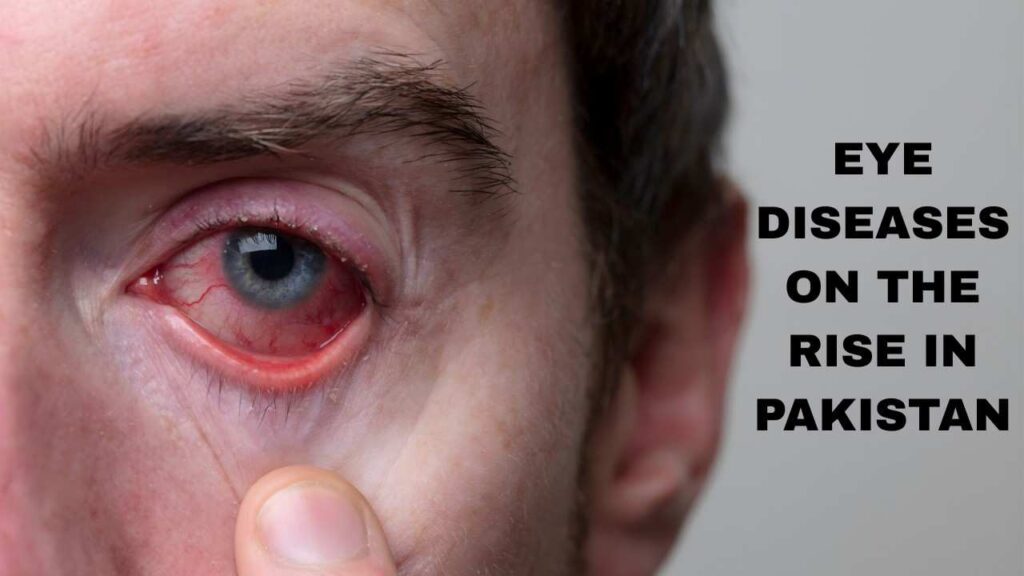
Across Pakistan, eye specialists are warning that eye diseases are increasing due to changing lifestyles, long screen time, and an aging population. Even though blindness rates from traditional causes like cataracts have fallen, millions of people now live with vision problems linked to diabetes, digital overload, and other modern risks.
This blog explains why eye diseases are rising, what this means for people in Lahore and other cities, and how you can protect your eyesight in today’s fast‑paced, screen‑heavy world.
The Current Eye Health Picture in Pakistan
Recent national and expert reports show that:
-
Around 1.5 million people in Pakistan are blind, and several million more have moderate to severe vision impairment.
-
Cataract remains the single biggest cause of blindness, but other conditions like diabetic retinopathy, glaucoma, and macular problems are taking a growing share.
-
One estimate cited by experts suggests that nearly 40 million people in Pakistan live with some type of eye disease or vision problem.
These numbers show that while surgical programs have reduced some avoidable blindness, new pressures are pushing eye disease in a different direction.
Why Eye Diseases Are Increasing
Eye health experts link the rise in eye problems to several lifestyle and demographic changes:
-
More screen time: Heavy mobile, computer, and TV use is causing digital eye strain, dry eyes, and earlier onset of myopia (short‑sightedness), especially in children and young adults.
-
Aging population: As Pakistan’s population grows and people live longer, age‑related eye conditions naturally become more common.
-
High diabetes rates: Pakistan has one of the highest diabetes burdens in the region, which directly increases cases of diabetic retinopathy and other retinal diseases.
-
Urban lifestyle: Long indoor hours, less outdoor activity, and poor diet patterns all contribute to weaker eye health over time.
These factors affect both big cities like Lahore and the rest of the country, but urban lifestyles can make the impact even stronger.
Cataract – Still the Leading Cause of Blindness
Despite new lifestyle risks, cataracts are still the leading cause of blindness in Pakistan. It occurs when the natural lens of the eye becomes cloudy, making vision blurred and dull.
Key points:
-
Surveys suggest cataracts are responsible for nearly half of blindness cases in Pakistan.
-
A cataract is fully treatable with surgery, where the cloudy lens is replaced by a clear artificial lens.
-
Many people still delay surgery because of cost, fear, or lack of awareness, even though outcomes are usually very good when done in a proper hospital.
Expanding affordable cataract surgery in Lahore and other cities remains essential for reducing blindness further.
Diabetes and Eye Disease – A Growing Threat
As diabetes becomes more common, diabetic eye disease is turning into a major cause of vision loss in Pakistan. High blood sugar damages the tiny blood vessels in the retina, leading to diabetic retinopathy and macular edema.
Important facts:
-
Many patients have no symptoms in the early stages, so vision may look normal while damage is already happening.
-
Studies and experts report that a large share of diabetics in Pakistan do not receive regular retinal exams, even after age 40.
-
Without screening and timely treatment, diabetic retinopathy can lead to permanent vision loss and blindness.
Regular eye checkups for diabetics are now a critical part of eye health strategy in the country.
Myopia and Screen Time – “An Epidemic Level”
Eye health leaders in Pakistan and globally warn that myopia (short‑sightedness) is rising rapidly, especially among children and young adults. One senior ophthalmologist described myopia as having reached an “epidemic level” in Pakistan.
Reasons include:
-
Long daily hours on phones, tablets, and computers.
-
Less outdoor play and natural light exposure for children.
-
Intense near work (study, gaming, social media) without breaks.
If not monitored, high myopia can increase the risk of retinal problems later in life. Regular eye exams and sensible screen habits are essential, particularly in cities like Lahore.
Digital Eye Strain – The New Urban Complaint
Digital eye strain (also called computer vision syndrome) has become one of the most common eye complaints in urban Pakistan. It is not usually blinding, but it can make daily life very uncomfortable.
Typical symptoms:
-
Burning, dryness, or gritty feeling in the eyes.
-
Headaches, blurred vision, or difficulty focusing after screen use.
-
Neck and shoulder pain related to posture.
Simple measures like the 20‑20‑20 rule, proper lighting, correct screen distance, and regular blinking can greatly reduce these symptoms, along with artificial tears recommended by an eye specialist.
Why Charity Eye Hospitals and Community Programs Are Vital
Large nonprofit eye hospitals and charity programs have played a major role in tackling avoidable blindness in Pakistan.
For example:
-
Some major trusts report treating tens of millions of patients over a few decades and performing thousands of surgeries each month.
-
Around 80 percent of their patients may receive free or heavily subsidized treatment, making modern eye care reachable for low‑income families.
-
Community outreach programs, including eye camps and screenings in urban slums of Lahore, connect hard‑to‑reach populations with hospital services.
As lifestyle-related eye diseases grow, these institutions are expanding from just surgery to long‑term disease management and awareness.
What This Means for People in Lahore
For residents of Lahore and nearby areas, these trends carry clear messages:
-
Don’t ignore mild symptoms: Dryness, headaches, or occasional blurring after screens may signal digital strain or refractive error that needs attention.
-
Schedule regular detailed eye checkups: Especially if you are over 40, diabetic, or have a family history of eye disease.
-
If money is a barrier, ask about welfare: Many city hospitals have welfare desks and zakat programs to support cataract surgery and other treatments for deserving patients.
Acting early in Lahore, where advanced eye care is available, can prevent problems that become much harder to treat later.
How You Can Protect Your Own Eyes
In addition to professional care, individual habits matter:
-
Limit continuous screen time and follow the 20‑20‑20 rule.
-
Encourage children to spend more time outdoors and less time on devices.
-
Maintain good control of diabetes, blood pressure, and cholesterol.
-
Avoid self‑medicating with random eye drops from chemists; always consult an eye specialist.
-
Support or spread the word about charity eye hospitals and awareness campaigns that bring care to those who need it most.
These simple steps can significantly reduce your risk of serious eye disease.
Final Thoughts: Rising Risks, Real Solutions
Eye diseases are indeed on the rise in Pakistan, driven by screen-heavy lifestyles, diabetes, aging, and population growth. But the country has also built strong eye‑care capacity through government programs, charity hospitals, and community projects, especially in hubs like Lahore.
By combining personal responsibility, healthy habits, and regular checkups with support for accessible, charity‑backed eye services, people in Lahore and across Pakistan can face these new eye‑health challenges with confidence and protect their vision for the future.